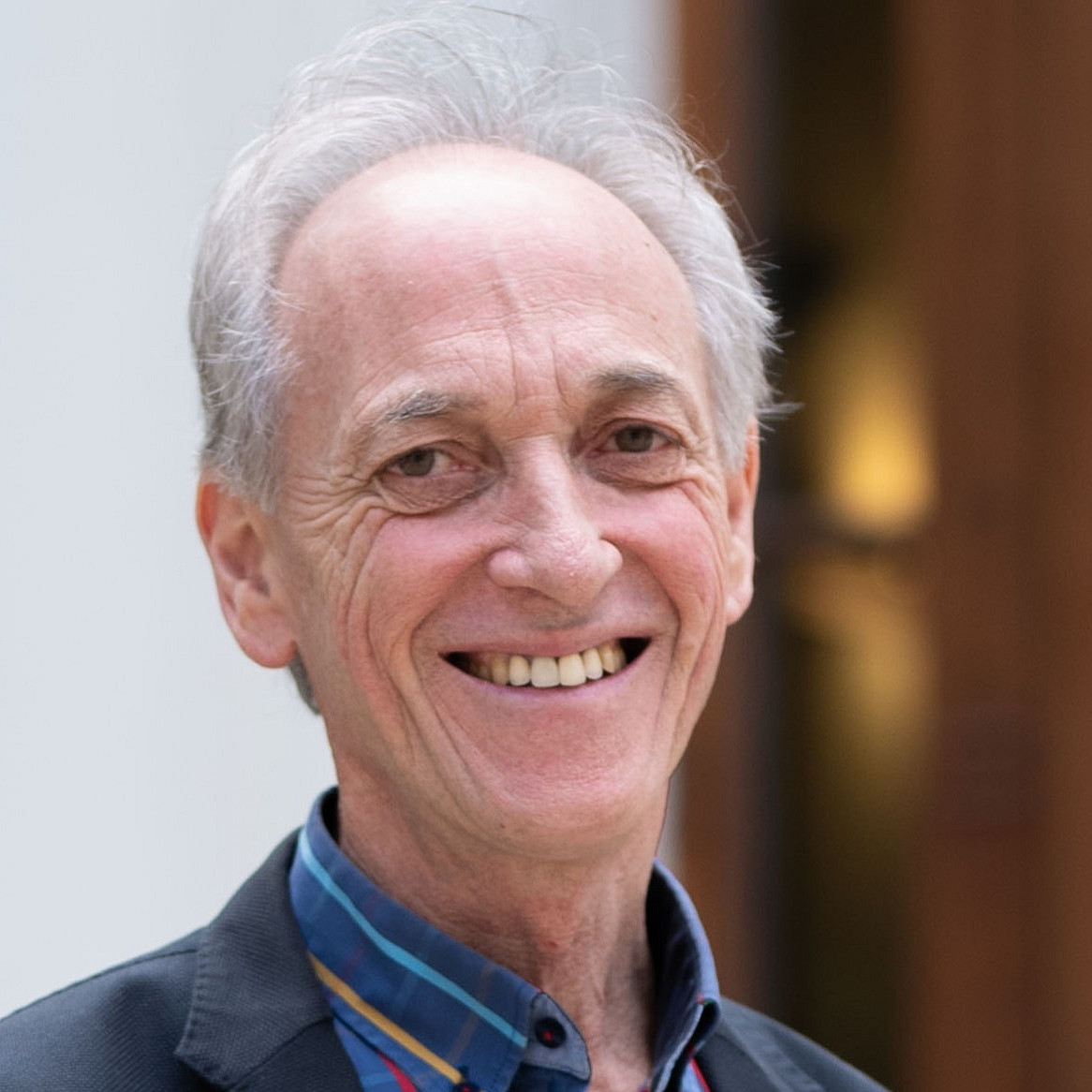
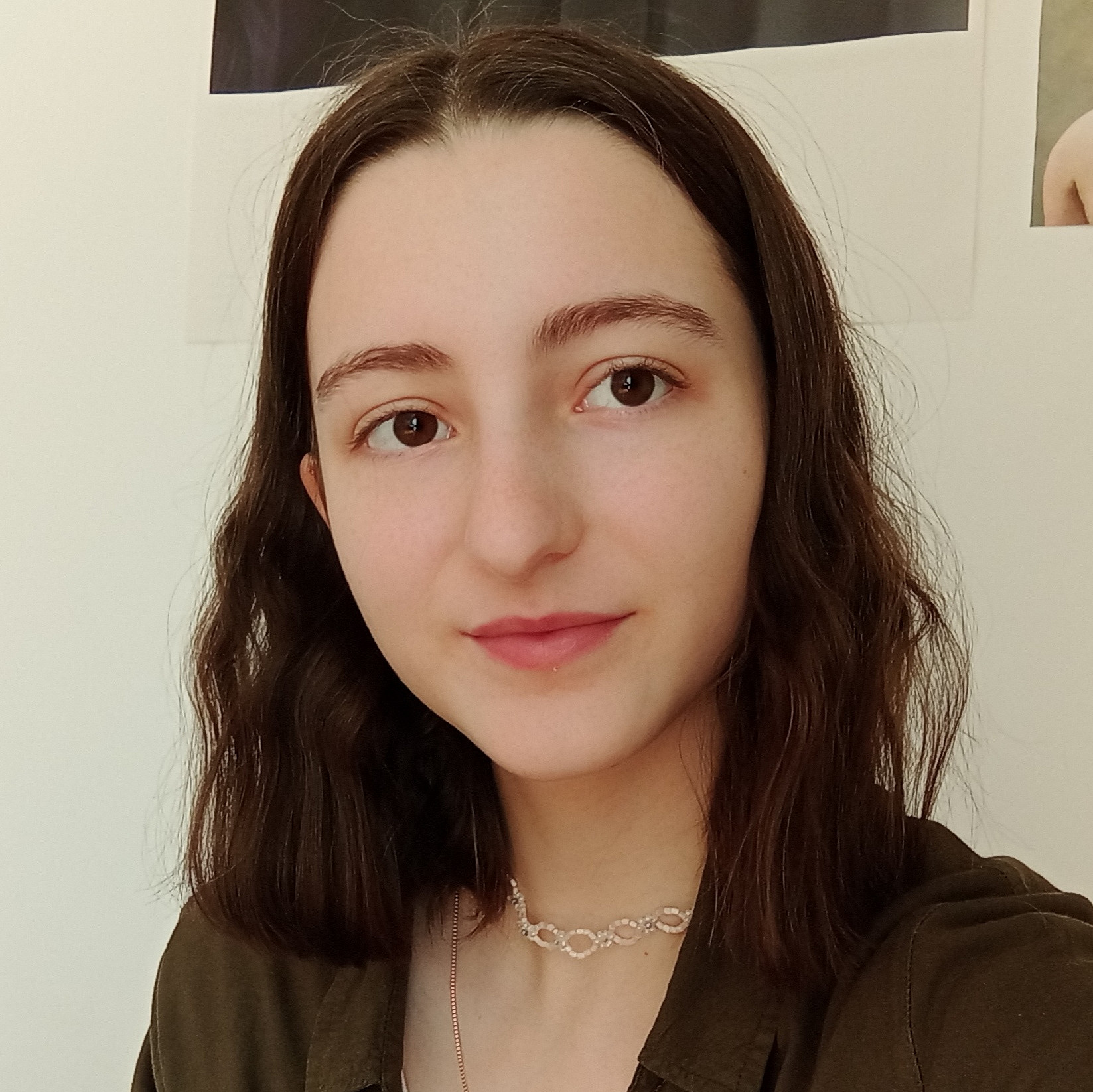
Meet the team of the University Museums
The University Museums consider themselves a home for the University of Graz collections, a centre for museum communication and an advocate of general museology within the framework of the Centre for Society, Science and Communication, the 7th Faculty of the University of Graz.
Preamble
The remit of museums as institutions was first defined internationally in 1946 within the framework of the International Council of Museums (ICOM). This definition has since become the international standard and was last updated in 2022. Accordingly, museums, as non-profit institutions serving the public, are responsible for selecting objects, their preservation, conservation and research, as well as making museum collections accessible to the public in the form of exhibitions.[1] These areas of responsibility are addressed by the discipline of ‘General Museology’ as an inter- and transdisciplinary field, encompassing both methodological-theoretical and practical aspects. ‘General Museology’ serves to recognise the significance of objects as witnesses to nature, scientific research and socio-political events and attitudes, to select them as representatives of a particular reality, and to treat and present them in accordance with the tasks of a museum.
[1] See: icom.museum/en/resources/standards-guidelines/museum-definition/ [20 November 2022].
Against this background, the University Museums unit at the University of Graz, as part of the 7th Faculty, sees itself as a “centre for university collections, museum communication and general museology”.
The University Museums’ areas of responsibility include the scholarly and museological processing and cataloguing of collections, conservation work, the targeted expansion of its holdings, and, as a research institution, participation in the international research landscape on museology.
Currently (as of 2025), the University Museums, as part of UniGraz@Museums, bring together a portion of the historical physics collection, the collection of the Hans Gross Crime Museum, art-historical holdings and plaster casts originally assigned to the Institute of Art History, parts of the Rector’s Office’s so-called ‘gifts collection’, a collection of the University’s badges and honours (originally assigned to the Rector’s Office), and paintings taken over from the University Archives.
At the same time, as part of UniGraz@Museums, the University Museums regularly stage special exhibitions on a wide variety of research areas at the University of Graz, thereby making the university’s current research accessible to a broad audience, with a particular focus on issues relevant to society and everyday life. The aim is, above all, to highlight the University of Graz’s flagship research areas in terms of their local, regional and international significance.
In addition to routine public opening hours, the accompanying events organised by the University Museums (workshops, lectures and other events) on the respective collection and exhibition areas, as well as on the academic research conducted at the University of Graz, serve to convey their content in greater depth.
The academic foundation for these areas of activity is the discipline of General Museology in its historical, theoretical and applied dimensions. It examines the cognitive and evaluative relationship between people and their historical and contemporary environment, on the basis of which those socially significant objects are selected that are to be preserved, researched and communicated to future generations.
As a research institution, the University Museums publish current research on General Museology (Historical, Theoretical and Applied Museology) and on object-oriented research on an open-access basis in the regularly published international academic journal ‘MUSEA. Journal for Museology, Museum Practice and Audience’ (editor-in-chief: Bernadette Biedermann, editorial board: Marlies Raffler, Nikolaus Reisinger, Henrik von Achen, Giuliana Tomasella, Pedro Casaleiro, Otakar Kirsch) in cooperation with the Institute of History at the University of Graz.
The University Museums see themselves as an institution for undergraduate and postgraduate education, as well as a platform for the professionalisation of museum work, including that carried out outside the university. To this end, the current director of the University Museums coordinates the specialisation ‘Cultural Management / Applied Cultural Studies’ at the Institute of History. In this context, courses are regularly offered on relevant areas of historical, theoretical and applied museology.
The University Museums are engaged in international exchange with the Coimbra universities as part of the ‘Heritage’ working group, UMAC (International Committee for University Museums and Collections within the International Council of Museums, ICOM), Universeum (European Academic Heritage Network), the Society for University Collections in Germany (University of Tübingen), the Coordination Office for University Collections in Germany (HU Berlin), as well as the museology training programmes at the universities of Würzburg and Berlin (Germany) and Brno (Czech Republic). In this regard, collaborations are in place as part of an initiative for the centralised digital management of university collections with Goethe University Frankfurt am Main and the Berlin Alliance / Humboldt University of Berlin.
Further regular collaboration takes place with regional and local organisations, such as ‘MUSIS’ (= the Styrian Museum Association), the Regional Research Course of the Province of Styria as a continuing professional development programme in the field of museum object documentation and research, the ‘Inter-University Course in Library and Information Studies’ at the Universities of Vienna and Graz, the Austrian Museum Association (establishment of a working group on university collections with the participation of the university museums) and ICOM (International Council of Museums).
Future Direction of the University Museums
As an institution for education and further training, the University Museums aim to offer an academic programme in museology – covering its historical, theoretical and practical dimensions – at Bachelor’s and Master’s level at the University of Graz, in line with the established professional profiles for archivists and librarians.
This comprehensive theoretical and practical training, delivered in collaboration with individual university departments alongside their research-focused remit, can also provide career-oriented training to those who already have, or are aspiring to, a career in exhibitions and museums within the field of tangible and intangible cultural heritage, equipping them with the museological and academic expertise they have previously lacked.
The aim of the University of Graz’s development plan for the years 2025–2030 is to bring together all university collections, as well as the ‘university museums’ currently spread across two sites, into a single ‘University Museum’ at one location. To this end, an expanded exhibition area is to be created within the framework of the university museums under the working title ‘Experiencing Science’.
The new presentation concept envisages using the university’s collections to illustrate the history of teaching and research activities at the University of Graz, with particular emphasis on research areas that are currently shaping the university’s profile, whilst incorporating contemporary and modern presentation methods.
Accordingly, the University Museum’s future role will be to coordinate the university’s collections within the University of Graz, to preserve, research and exhibit them, and to make them accessible to the widest possible audience.
In future, these areas of responsibility are to be made more visible through a presence on social media and through virtual exhibitions.
(As of 2025)
Museum Director

Dr.phil. Mag. Bernadette Biedermann
+43 316 380 - 2375
By appointment only; please contact verena.sernetz@uni-graz.at
Employees
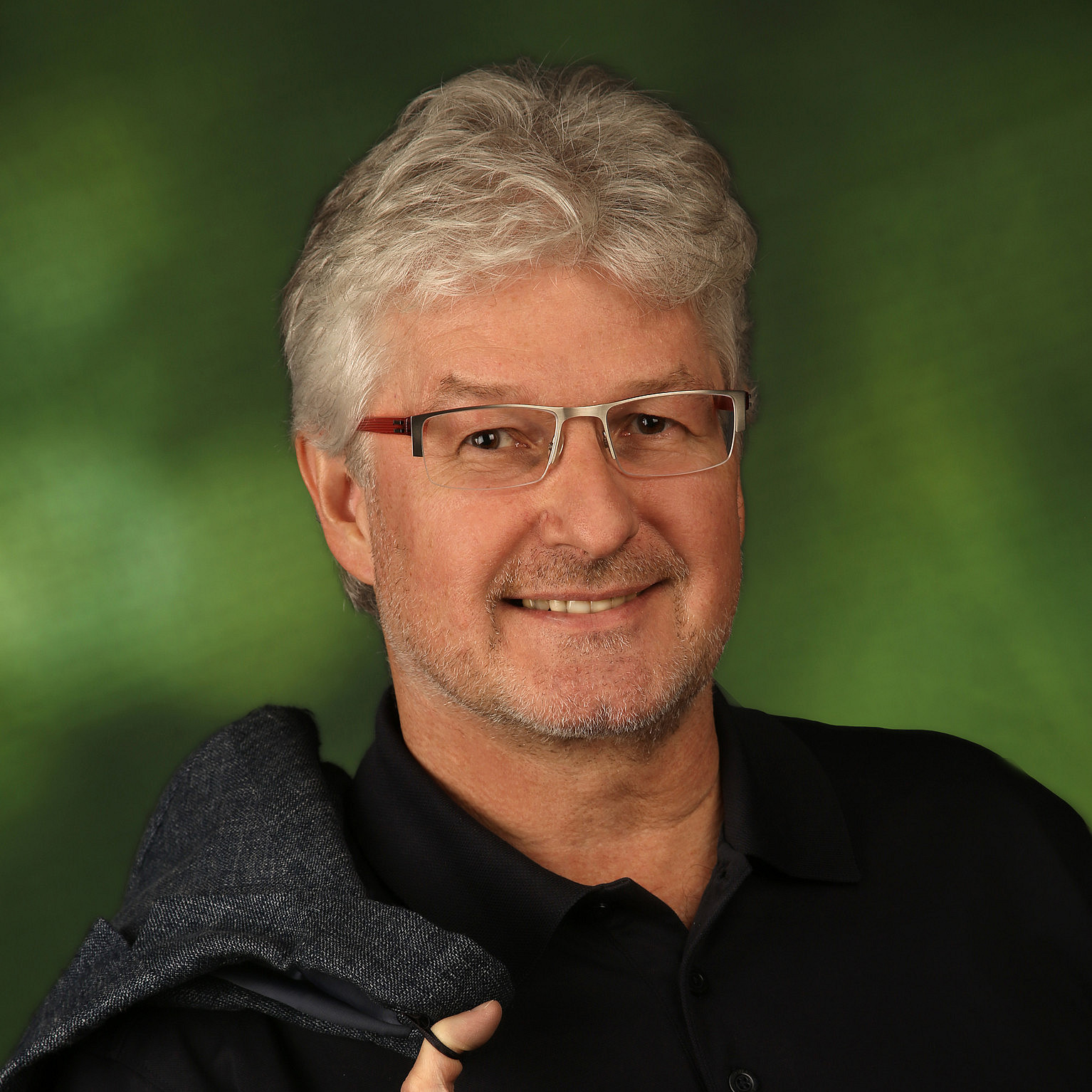
Ao.Univ.-Prof.i.R. Dr.phil. Mag. Nikolaus Reisinger
+43 316 380 - 2246
Institute of History
Consultation hours: Thursday, 3.00 pm – 4.30 pm
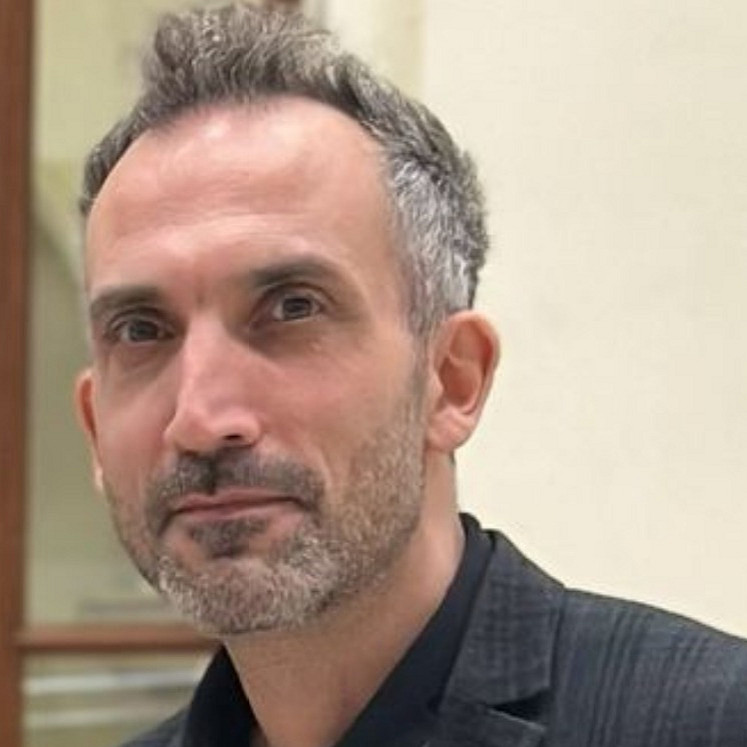
Dr.phil. Mag.phil. Stefan Köchel

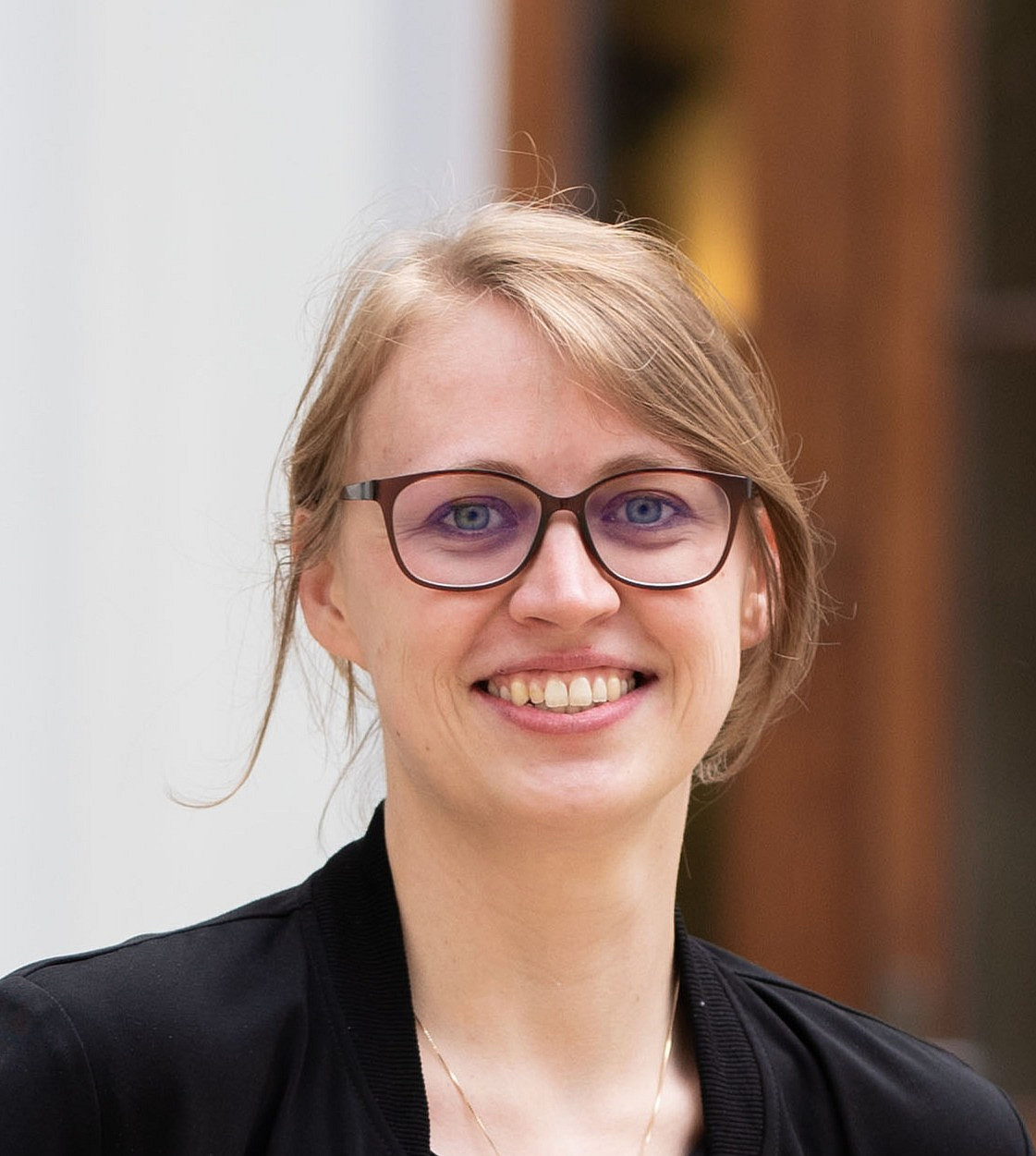
BA. BA. MA. MA. Lena Maria Probst
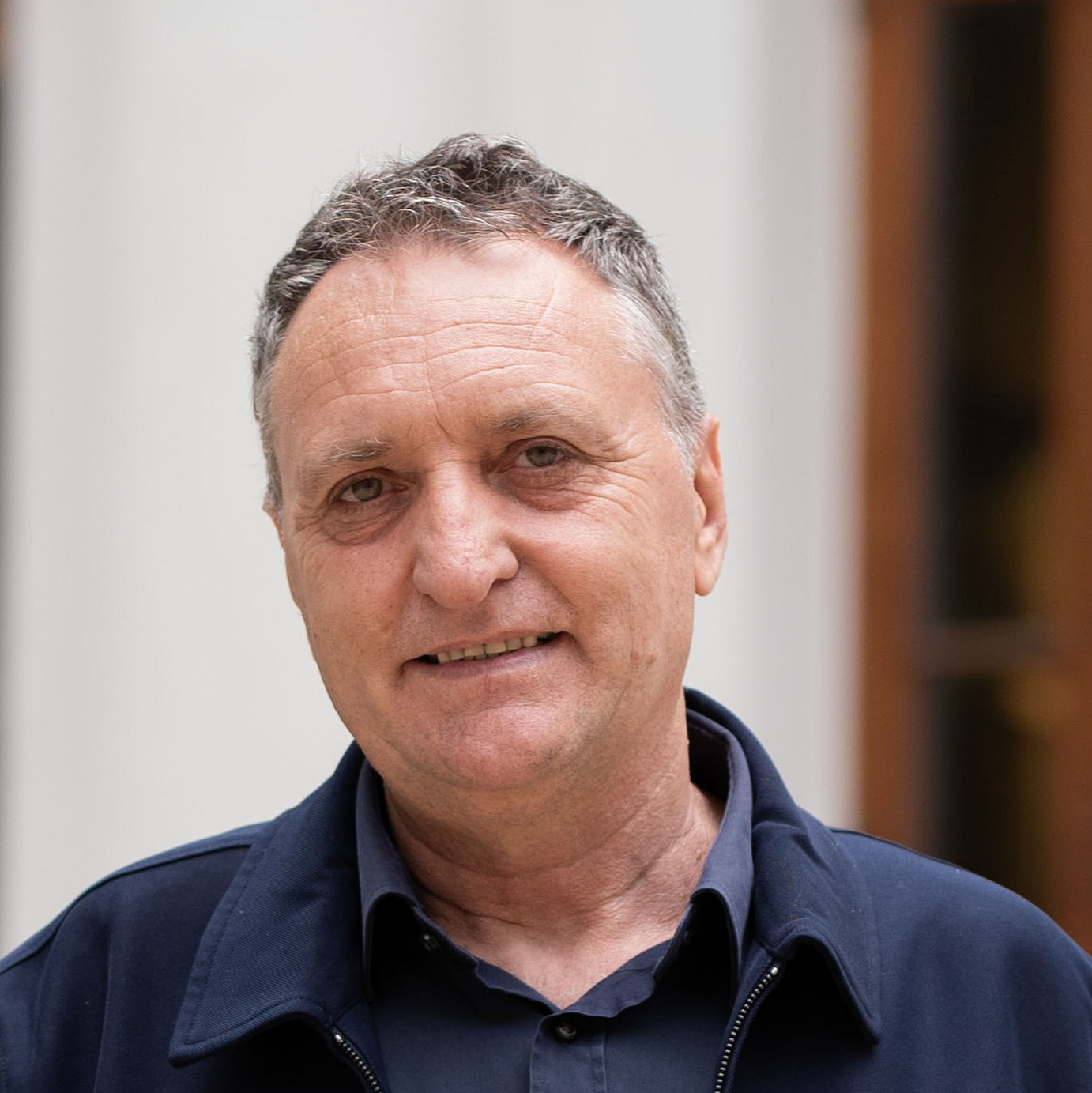
Syle Qelaj
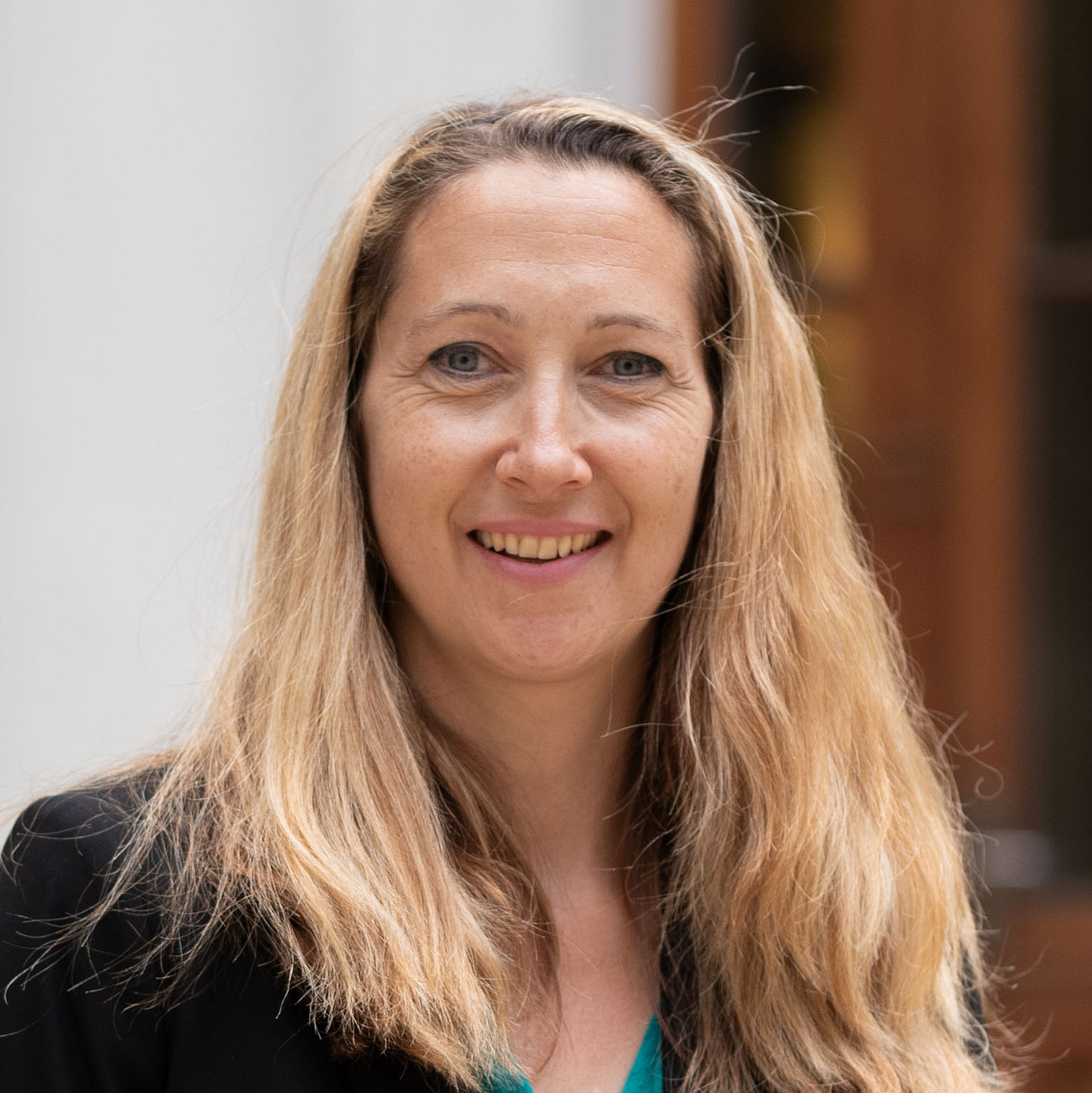
Amtsdirektorin Verena Sernetz